
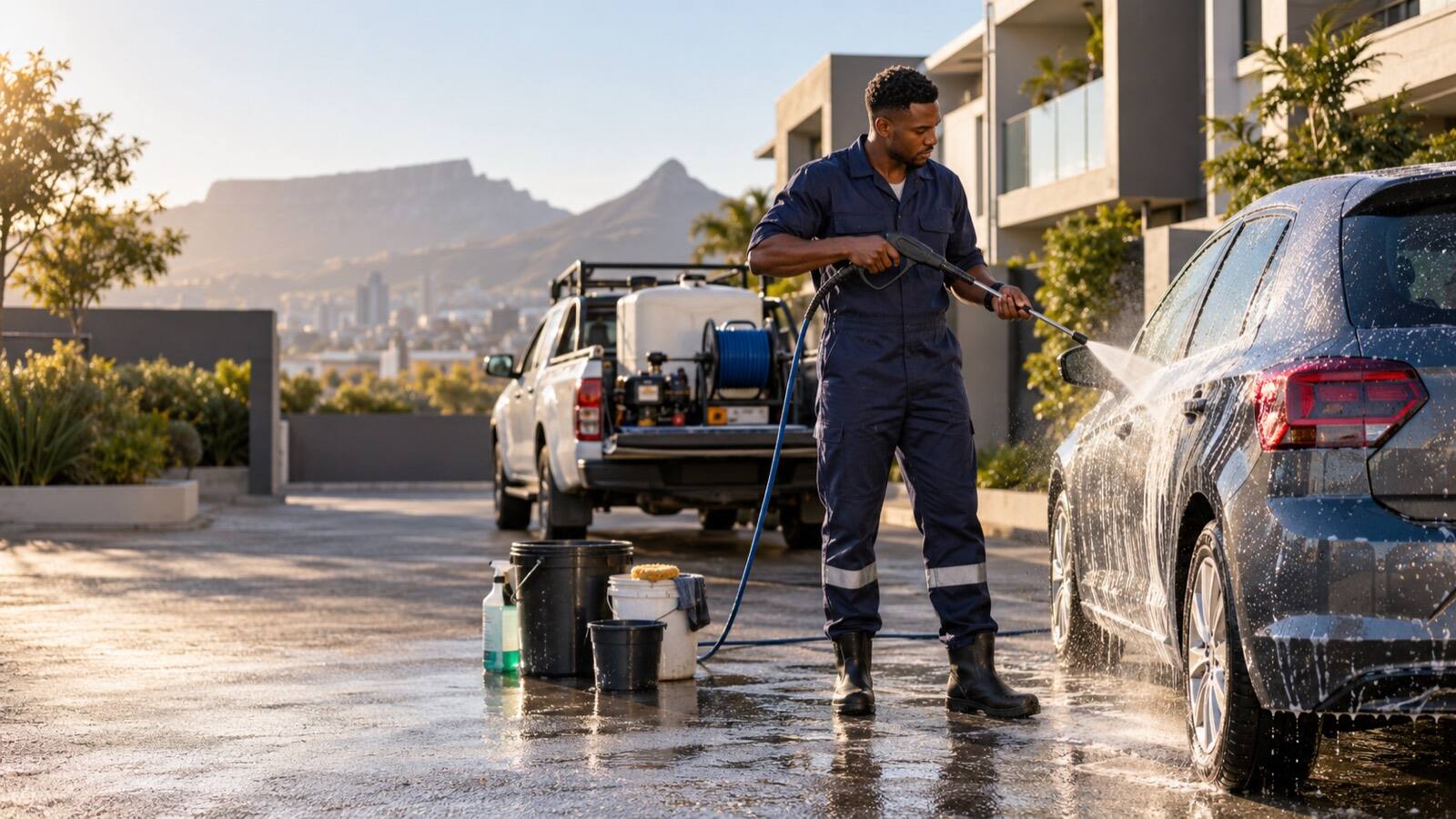
The most profitable small business ideas in South Africa are those that solve immediate daily problems for people in your community. High demand and low start-up costs make businesses like mobile car washes, local food catering, cleaning services, and digital assistance highly profitable. You do not need a massive loan to start. You need a clear plan and the right compliance to grow.
Why these businesses work in South Africa
South Africa has a unique economy where the informal and formal sectors meet. People in townships and suburbs still need basic services like food, transport, and cleaning. A business becomes profitable when it offers these services reliably. You do not need a fancy office. You need a way to reach customers and a way to deliver good service every single time.
Local food production and catering
People will always eat. Selling kotas, braai meat, or offering catering for funerals and weddings is very profitable because the margins on food are high. You can start from home and supply local spaza shops or sell at a busy taxi rank. You can also cook daily lunches for local businesses like hair salons or mechanics. The key to profitability in food is consistency, good hygiene, and keeping your ingredient costs low.
Cleaning and hygiene services
Both homes and businesses need cleaning. You can offer deep cleaning for RDP houses, carpet cleaning, or regular office cleaning. Your start-up cost is just cleaning materials and transport. If you build a team, you can tender for government offices or schools, but you must be registered on the Central Supplier Database (CSD). Cleaning is profitable because clients pay you on a regular monthly basis, which gives you a predictable income.
Mobile car wash
Many people do not have time to take their cars to a wash bay. A mobile car wash where you go to the client's house or office saves them time. You need buckets, good car wash soap, sponges, and a reliable water source. You can expand by offering valeting services for interior cleaning. This business is highly profitable because your only ongoing cost is soap and water, while your labour brings in cash daily.
Digital and admin services
Not everyone in the township has a computer or fast internet. You can offer services like typing CVs, printing documents, scanning, and sending emails. If you have digital skills, you can manage social media pages for local businesses. This requires almost zero capital if you already have a smartphone or laptop. You can charge a monthly fee to run a local plumber or salon's Facebook page, bringing in steady income.
Transport and logistics
Moving goods and people is a massive need. If you have a reliable bakkie, you can offer rubble removal or furniture transport. Scholar transport is also very profitable if you live near schools, but you must have a valid Professional Driving Permit (PrDP) and a roadworthy vehicle. Another option is acting as a local courier for spaza shops that need stock delivered from wholesalers in town.
Construction and maintenance
Many people are building or renovating their homes. If you have skills in plumbing, tiling, or painting, you can start a handyman business. You can start by helping people in your street and grow through word of mouth. If you want to do government housing projects or larger commercial work, you need to register with the Construction Industry Development Board (CIDB).
How to start the right way
Once you choose your idea, you must set it up legally to avoid trouble with SARS and to access bigger contracts. Follow these steps in order.
- Register your company. Go to the Companies and Intellectual Property Commission (CIPC) to register a private company. This gives you a registration number. If you want to avoid the admin, KAGO offers a Registration Basic service for R995.
- Get your tax affairs in order. SARS will require you to have an income tax number for your business. Keep all your slips and invoices. Good record keeping is what separates a hobby from a profitable business.
- Open a business bank account. Never mix your personal money with business money. Banks will ask for your CIPC registration documents and your ID to open the account.
- Get a business plan. If you want to apply for funding from the National Youth Development Agency (NYDA) or the Small Enterprise Finance Agency (SEFA), you need a solid business plan. KAGO can write a Complete Business Plan for R3,495 to help you look professional. Remember, KAGO makes your business funding-ready, but the funder always makes the final decision.
- Register on the CSD. If you want to supply goods or services to the government, you must register on the Central Supplier Database. You will also need a B-BBEE certificate if you want to win tenders.
Scaling your business
Profitability increases when you separate yourself from the daily work. Hire someone to wash the cars while you find new clients. Use social media to market your services for free. Join local business WhatsApp groups to network and find referrals. The best business idea is the one you can actually start with what you have right now. Pick an idea, register it, keep clean records, and serve your community well.
Questions people also ask
Do I need a lot of money to start a profitable business in South Africa?
No, many profitable businesses like mobile car washes or digital services require very little start-up capital. You can start small from home and reinvest your profits to grow.
Can I get funding from the government for my small business?
Yes, agencies like the NYDA and SEFA offer funding, but you must have a registered company and a solid business plan to apply. KAGO can make your business funding-ready, but the funder always makes the final decision.
Why do I need to register my business with CIPC?
Registering with CIPC gives you a legal company registration number, which allows you to open a business bank account and apply for government tenders. It also builds trust with clients who want to deal with a formal business.
Fixed prices, no hourly billing
Let KAGO build it for you.
Business plans, financial plans, company registration, logos and tender packs, at a menu price, in days. We make your business funding-ready. The funder always decides.