
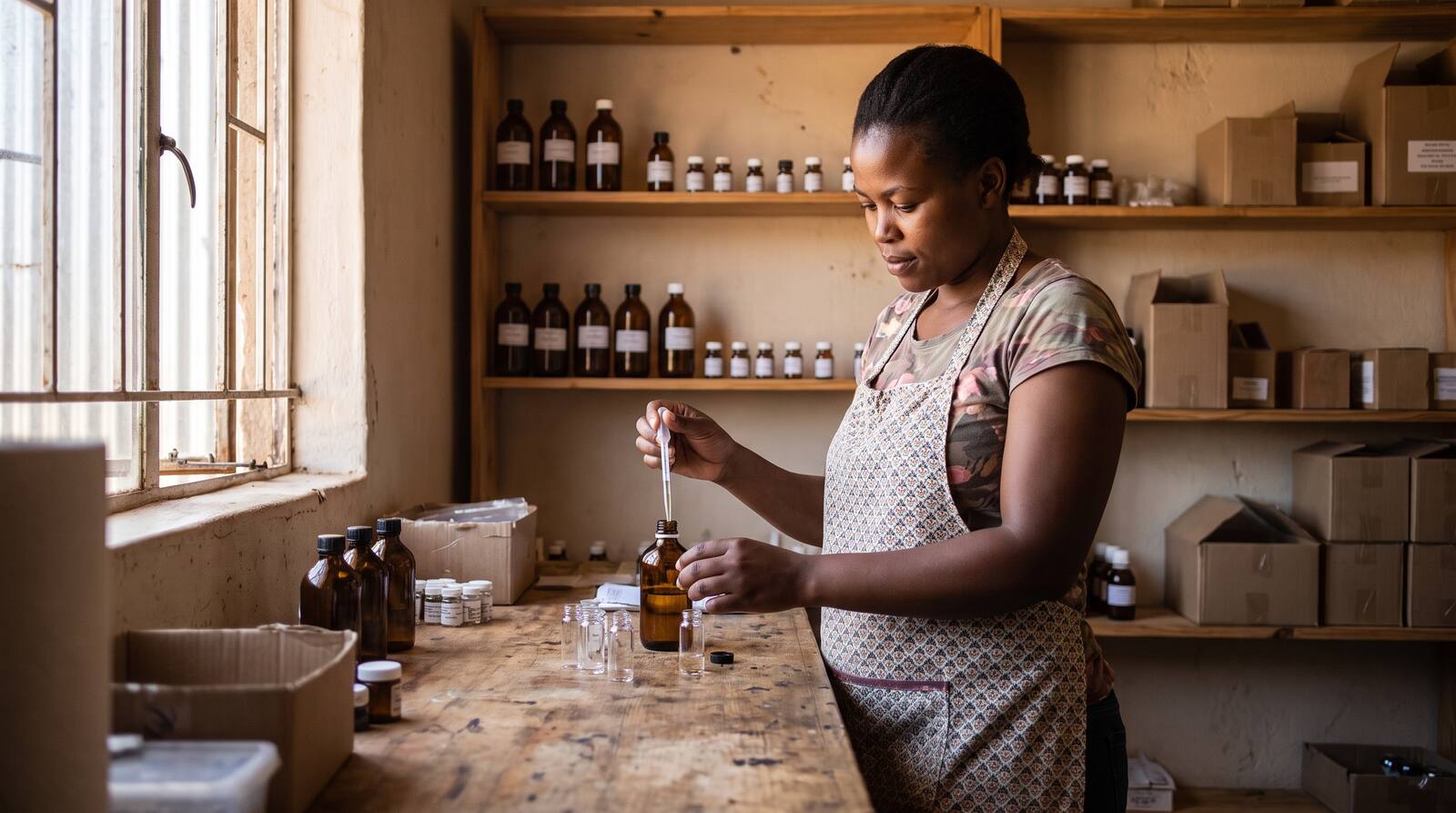
If you are looking for home business ideas in South Africa, the best options right now are catering, cleaning services, e-commerce, and digital services like graphic design or social media management. These businesses require low start-up capital, can be run from a room in your house, and have a steady demand in local communities.
Low-Cost Home Business Ideas
You do not need a big office or a lot of money to start. You just need a skill and a way to reach your neighbours. Here are some ideas that work well in South Africa.
- Catering and home-cooked meals: Many people in townships and suburbs do not have time to cook. You can start by selling lunchboxes to workers or pap and wors on weekends. You can also specialise in braai meat or baked goods for events.
- Cleaning service: You can clean houses or offices. You only need cleaning materials and a reliable way to get to your clients. You can expand this to carpet cleaning or post-construction cleaning later.
- E-commerce and reselling: You can buy clothes, shoes, or electronics in bulk and sell them online or from your home. Platforms like Facebook Marketplace make it easy to find buyers. You can also source local products and sell them to a wider market.
- Digital services: If you have a computer and internet, you can offer graphic design, social media management, or data entry services to local businesses. Many small businesses need help with their online presence but cannot afford big agencies.
- Childcare or aftercare centre: Working parents always need a safe place for their children. You can start an aftercare programme where you help kids with homework and keep them busy until parents finish work. You will need a safe space and patience.
- Beauty and grooming: You can offer haircuts, styling, or nail services from a room in your house. People always want to look good, and this service has repeat customers.
- Tutoring: If you are good at maths or science, you can tutor school children from your home. Parents are willing to pay for extra lessons to help their children pass.
How to Make Your Home Business Official
Running a business from home is fine, but you need to make it legal if you want to grow or apply for funding. Here is the real order of steps to follow.
- Register your company with the CIPC. You can register a private company to make your business look professional. This protects your personal assets if something goes wrong.
- Get a tax number from SARS. You will need this to pay tax and to show funders you are compliant. SARS requires all businesses to be registered for income tax.
- Open a business bank account. Do not use your personal bank account for business money. Banks will ask for your CIPC registration documents to open the account.
- Get a B-BBEE certificate. This is important if you want to do business with government or big companies. It shows your compliance with broad-based black economic empowerment.
If you need help with the paperwork, KAGO offers a Registration Basic service for R995. This gets your company registered so you can trade legally.
Getting Ready for Funding
You might start with your own savings, but eventually you will need money to buy better equipment or stock. Organisations like NYDA, SEFA, and local banks offer funding to small businesses.
To apply for funding, you need more than just an idea. You need a proper business plan and financial plan. Funders want to see that your home business can actually make money and pay them back. They want to know your market, your competitors, and your pricing.
KAGO can help you become funding-ready. We offer a Complete Business Plan for R3,495 and a Financial Plan for R1,895. We put your ideas on paper and show the numbers. However, we do not promise or guarantee funding. KAGO makes your business funding-ready, but the funder always makes the final decision.
Winning Local Contracts
Once your home business is registered and has a plan, you can look for bigger jobs. Government departments and municipalities buy services from small businesses through the Central Supplier Database (CSD).
If you want to do construction or maintenance work, you will need a grading from the CIDB. If you want to supply cleaning materials or food, you need to be on the CSD and have your tax affairs in order. Being on the CSD is free, but you must have your CIPC documents and SARS tax number ready.
To win these contracts, you need a company profile that shows what you do and who you have worked for. KAGO can write a Company Profile for you for R1,995. This document makes your small home business look professional when you approach big clients.
Keep Your Money Separate
The biggest mistake home business owners make is mixing business money with personal money. When you make a sale, put the money in your business bank account. Pay yourself a salary from that account. This makes it easier to track your profit and to show SARS that you are running a real business.
Keep all your receipts and invoices. If you buy cleaning materials or ingredients for catering, keep the slips. These are your business expenses and they reduce the tax you have to pay. If you do not keep records, you might pay more tax than you should.
Marketing Your Home Business
You do not need a big marketing budget. You can start by telling your neighbours, family, and friends. Word of mouth is powerful in South African communities.
You can also use free social media platforms to show your work. Take pictures of your food, your clean rooms, or your designs. Post them on Facebook or WhatsApp status. Ask your first customers to leave reviews. A simple website can also help you look professional. KAGO offers an Onepager Website for R2,995 if you want to take your online presence seriously.
Start Small and Grow
Do not wait until you have everything perfect. Start with what you have. If you only have one pot and a stove, start cooking for ten people. If you only have a broom and a mop, start cleaning one house. As you make money, buy more equipment and register your business.
Your home business can grow into something big. Many large South African companies started in a garage or a backyard. The secret is to start, be consistent, and get the right paperwork when you are ready to grow.
Questions people also ask
Do I need a licence to run a home business in South Africa?
You might need a licence depending on what you do, such as a health certificate from your local municipality if you sell food. If you run a childcare centre, you must register with the Department of Social Development.
Can I get a grant to start my home business?
You can apply for grants or loans from organisations like NYDA or SEDA, which will require a business plan to apply. KAGO can help you prepare the documents, but the funder decides if you get the money.
Do I have to pay tax on my home business?
Yes, if your business makes more than the amount set by SARS for the year, you must pay tax and register for income tax when you start trading. Keep records of all your income and expenses so you can declare them correctly.
Fixed prices, no hourly billing
Let KAGO build it for you.
Business plans, financial plans, company registration, logos and tender packs, at a menu price, in days. We make your business funding-ready. The funder always decides.