
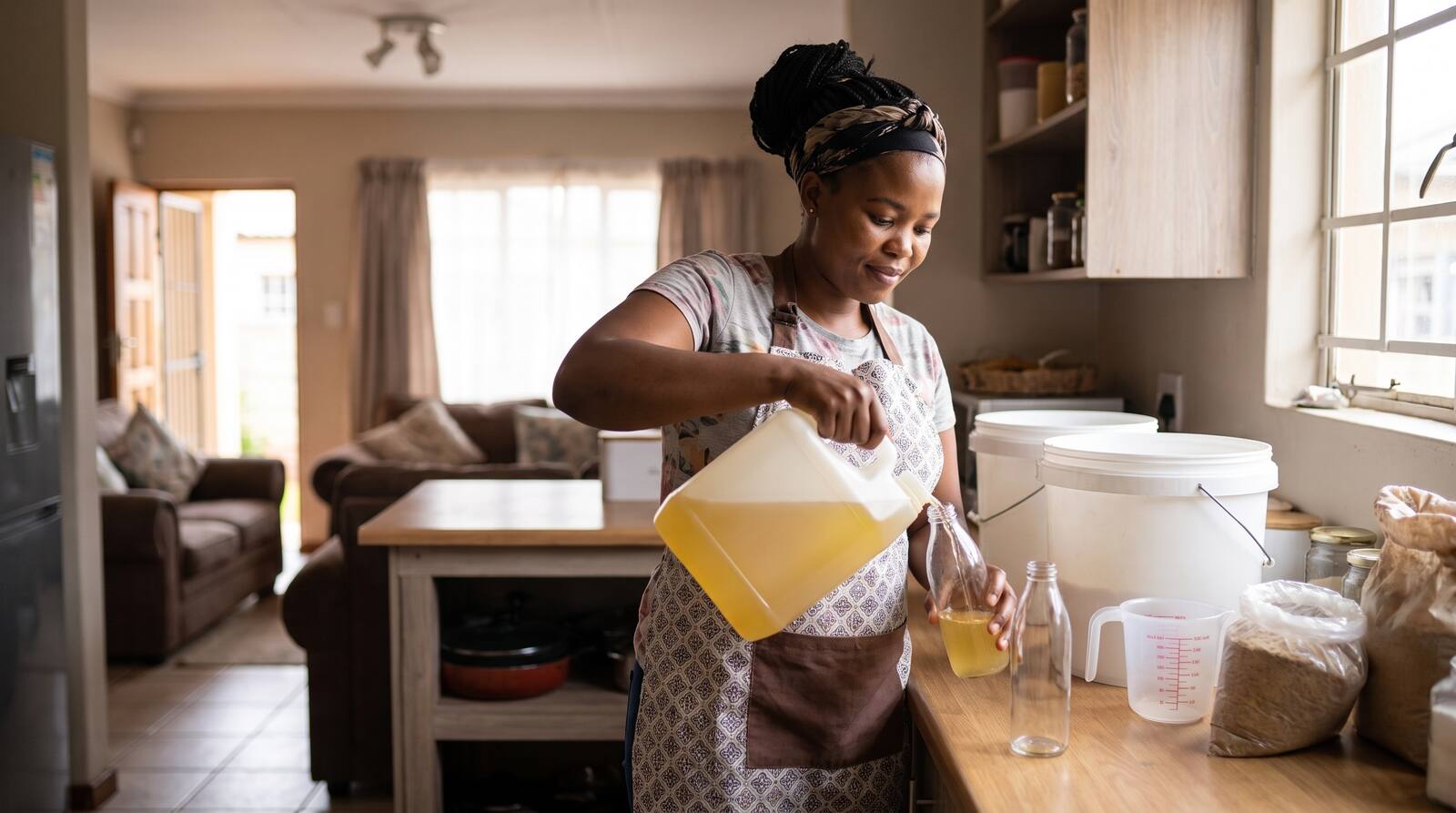
The best home based business ideas in South Africa are those that need low startup capital and can run from a room in your house. Popular options include selling food like kota or braai meat, offering hairdressing or nail services, running a dropshipping store, and making cleaning products. You can start many of these businesses this weekend, but you will need to register them properly if you want to grow or apply for funding.
Top Home Based Business Ideas in South Africa
When choosing a business to run from home, look at what your community needs. Here are practical ideas that work well in South African neighbourhoods and townships.
Food Preparation and Catering
People always need to eat. You can start by selling lunchboxes to workers in your area, baking custom birthday cakes, or preparing meals for events. If you have a yard, you can set up a small braai stand or a shisa nyama over weekends. You only need basic kitchen equipment and a reliable way to keep your food warm. Make sure you understand the local health and safety rules for handling food.
Beauty and Grooming Services
You can turn a spare room or a backyard room into a salon. Hairdressing, plaiting, and applying nails are very popular. Men's grooming and barbering are also high in demand. You need a few tools and products to start, and you can build a loyal client base through word of mouth in your street. Keep your space clean and professional so clients feel comfortable.
Cleaning and Laundry Services
Many working professionals do not have time to clean their homes or wash their clothes. You can offer to collect laundry, wash it, iron it, and return it neatly folded. You can also offer deep cleaning services for people moving into new houses or preparing for events. You will need good cleaning chemicals and a reliable way to transport the clothes.
Digital and Online Services
If you have a laptop and an internet connection, you can offer services to other businesses. Social media management, graphic design, and virtual assistance are in high demand. You can also start an online store using dropshipping, where you sell products but the supplier handles the delivery. This means you do not need a big room to store stock.
Manufacturing Cleaning Products
Making and selling household cleaning products like bleach, dishwashing liquid, and fabric softener is a profitable business. You can buy the chemicals in bulk, mix them at home, and sell them in smaller bottles to your neighbours or local spaza shops. You must learn the correct formulas and keep your workspace well ventilated.
Tutoring and Aftercare
If you are good at subjects like Mathematics or English, you can offer extra lessons to school children from your home. Many parents look for safe places where their children can do homework after school. You only need a quiet room, a table, and some chairs to start an aftercare programme.
How to Start Your Home Based Business
Starting a business is not just about having an idea. You must follow the right steps to make your business legal and ready for growth.
- Write down your business plan. You need to know what you are selling, who you are selling it to, and how much it will cost to run.
- Register your company with the Companies and Intellectual Property Commission (CIPC). This makes your business a legal entity and protects your personal assets.
- Get your tax affairs in order with the South African Revenue Service (SARS). You will need a tax clearance certificate if you want to apply for government tenders or funding.
- Open a business bank account. You must keep your personal money and your business money separate to avoid problems with SARS.
- Create a brand. People remember businesses that look professional, so you need a logo and a company profile to show you are serious.
Getting Funding for Your Home Business
Many entrepreneurs want funding to buy equipment or stock. Organisations like the National Youth Development Agency (NYDA) and the Small Enterprise Finance Agency (SEFA) offer support to small businesses. You can also register on the Central Supplier Database (CSD) to try and get government work.
However, you must understand that no one will give you money just because you have an idea. Funders want to see a proper business plan and financial projections. KAGO can help you become funding-ready, but the funder always makes the final decision. We never promise or guarantee that you will get funding.
Getting Your Paperwork Right with KAGO
If you want to approach funders or big clients, your paperwork must be perfect. A basic business plan written on a piece of paper will not work. You need professional documents that show you understand your market and your numbers.
KAGO offers a Complete Business Plan for R3,495. This document outlines your business idea, your market research, and your operational plan. If you just need to register your business, KAGO offers a Registration Basic package for R995. This handles the CIPC registration so you can get your company registration documents without the headache of doing it yourself.
Growing Your Home Business
Once your business is registered and you have your plan, you need to focus on marketing. Tell everyone you know about your business. Use free platforms like Facebook and WhatsApp to share pictures of your products or services. As you make money, put some of it back into the business to buy better equipment or more stock.
If you want to do business with the government or large companies, you might need a B-BBEE certificate and a Construction Industry Development Board (CIDB) grading if you are in the building sector. These documents prove that your business complies with local laws and standards.
Running a home based business in South Africa takes hard work and discipline. You must separate your work time from your family time. Treat your home business with the same respect you would give to a shop in a mall, and your clients will do the same.
Questions people also ask
Do I need a licence to run a food business from home?
You must comply with local municipal health bylaws if you prepare food for the public. You should contact your local municipal health department to find out what permits you need before you start selling.
Can I get funding from NYDA for a home business?
The NYDA provides grants and loans to young entrepreneurs who have viable business plans. You must submit a complete application and they will decide if your home business qualifies.
Do I need to register my home business with CIPC?
You can start as a sole proprietor without registering, but you should register a company to protect your personal assets. Registration is also required if you want to apply for funding or government tenders.
Fixed prices, no hourly billing
Let KAGO build it for you.
Business plans, financial plans, company registration, logos and tender packs, at a menu price, in days. We make your business funding-ready. The funder always decides.