
Good Small Business Ideas in South Africa
The best small business ideas in South Africa solve everyday problems like power cuts, transport gaps, or the need for affordable food. You do not need a massive loan to start. You just need a clear gap in your community and a plan to serve it. Here are several practical ideas that work well in the South African context.
1. Food and Catering Services
People always need to eat. In townships and urban centres, a food business can start very small. You can sell kota, braai meat, or vetkoek from a stand. If you want to target offices, you can deliver lunchboxes. Construction sites also need affordable, hot meals for workers. Start with what you can cook well and buy fresh ingredients daily to keep costs low. You can grow this into a full catering business for funerals and weddings.
2. Load Shedding Solutions
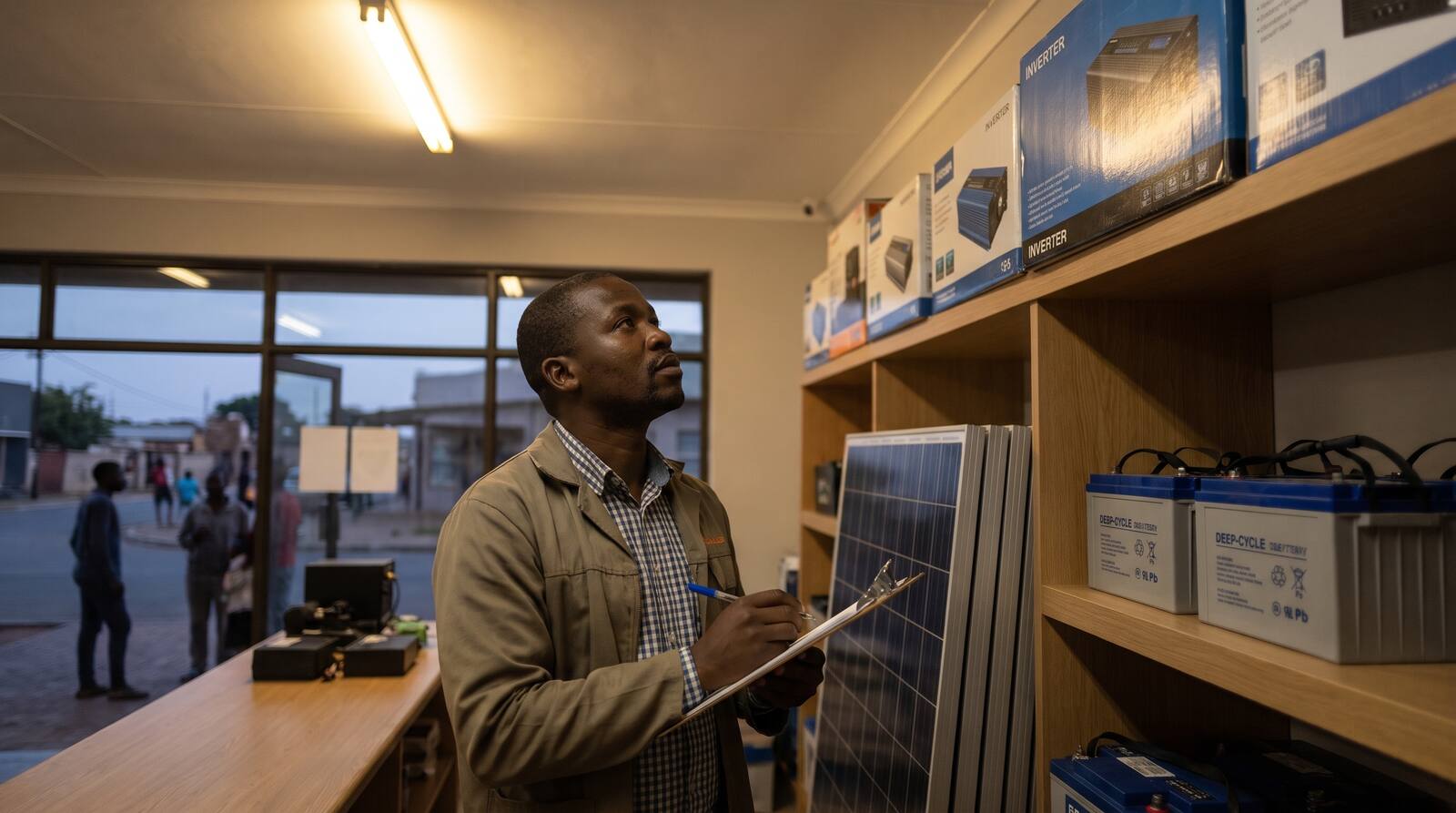
Power cuts are a reality in South Africa. This creates a massive opportunity. You can sell power banks, solar lights, or rechargeable lamps. If you have some technical skill, you can install small solar systems for homes. You can also set up a phone charging station in a busy taxi rank or shopping centre. People will pay to keep their phones on. This business requires a small upfront investment in stock but has a very quick turnaround.
3. Cleaning and Maintenance
Many homes and businesses need cleaning help but cannot afford big corporate cleaning companies. You can offer yard cleaning, rubbish removal, or house cleaning services. For businesses, you can offer after-hours office cleaning. If you know how to fix things, appliance repair is also very profitable. People prefer to fix a fridge or a washing machine rather than buy a new one. You can start with basic tools and market your services on local community groups.
4. Transport and Logistics
Moving people and goods is a constant need. If you have a reliable car or bakkie, you can start a courier service for local businesses. You can also offer school transport if you live near schools. Many people need help moving furniture or delivering stock to their shops. A bakkie hire service with a driver is a solid business in most townships. You must ensure your vehicle is roadworthy and you have the correct licence for carrying goods or passengers.
5. Agriculture and Farming
You do not need a huge farm to grow food. Backyard vegetable tunnels are very popular. You can grow spinach, tomatoes, and peppers to sell to your neighbours or local spaza shops. Poultry farming is another option. You can start with a small batch of broilers and sell live or dressed chickens to the community. This requires strict hygiene but offers quick returns. You can also explore beekeeping or selling manure if you have the space.
6. Beauty and Personal Care
Hairdressing, nail salons, and barbershops are always busy. You can start this from a room in your house or a small container. You only need the basic tools and some training. If you offer good service, people will come back every month. You can also sell hair products or cosmetics to your clients. This is a very social business, so your location and customer service will determine your success.
How to Make Your Idea Official
Once you choose an idea, you must make it a real business. Do not operate illegally. Follow these steps to register your business.
- Register your company: Go to the CIPC website to register a private company. This gives you a registration number and makes your business legal.
- Get a tax number: SARS will issue your company a tax number during the CIPC registration process. You need this to be compliant.
- Open a business bank account: Take your CIPC documents to a bank and open a business account. Do not mix your personal money with business money.
- Get a B-BBEE certificate: If you want to do business with the government or big companies, you need a B-BBEE certificate. You can get an affidavit if your business is small.
Prepare for Funding
Starting a business costs money. You might need funds to buy equipment or stock. Organisations like SEFA, NYDA, and banks offer funding, but they will not give you money just because you have an idea. You must prove your business will make money.
You need a solid business plan and financial plan. This shows the funder exactly how you will use the money and how you will pay it back. KAGO can help you build a Complete Business Plan for R3,495. We make your business funding-ready, but the funder always makes the final decision. A good plan shows you understand your market and your costs.
Start Where You Are
Do not wait until you have everything perfect. Start with what you have. Sell to your neighbours. Test your idea. If it works, then you can register the company and look for funding to grow. The most important step is to start today.
Questions people also ask
What is the cheapest business to start in South Africa?
Service businesses like cleaning, yard maintenance, or basic food sales are the cheapest to start. You only need basic equipment and your own labour to begin. You can reinvest the profit to grow the business over time.
Do I need a business plan to get funding from NYDA?
Yes, the NYDA requires a business plan to assess your application for funding. They want to see that your business idea is viable and that you can manage the money. A clear financial plan is also necessary to show how you will repay the loan.
How do I register my small business with CIPC?
You can register online through the CIPC website or use a service provider to do it for you. You will need your ID and a unique business name. Once registered, you receive a company registration certificate.
Fixed prices, no hourly billing
Let KAGO build it for you.
Business plans, financial plans, company registration, logos and tender packs, at a menu price, in days. We make your business funding-ready. The funder always decides.