
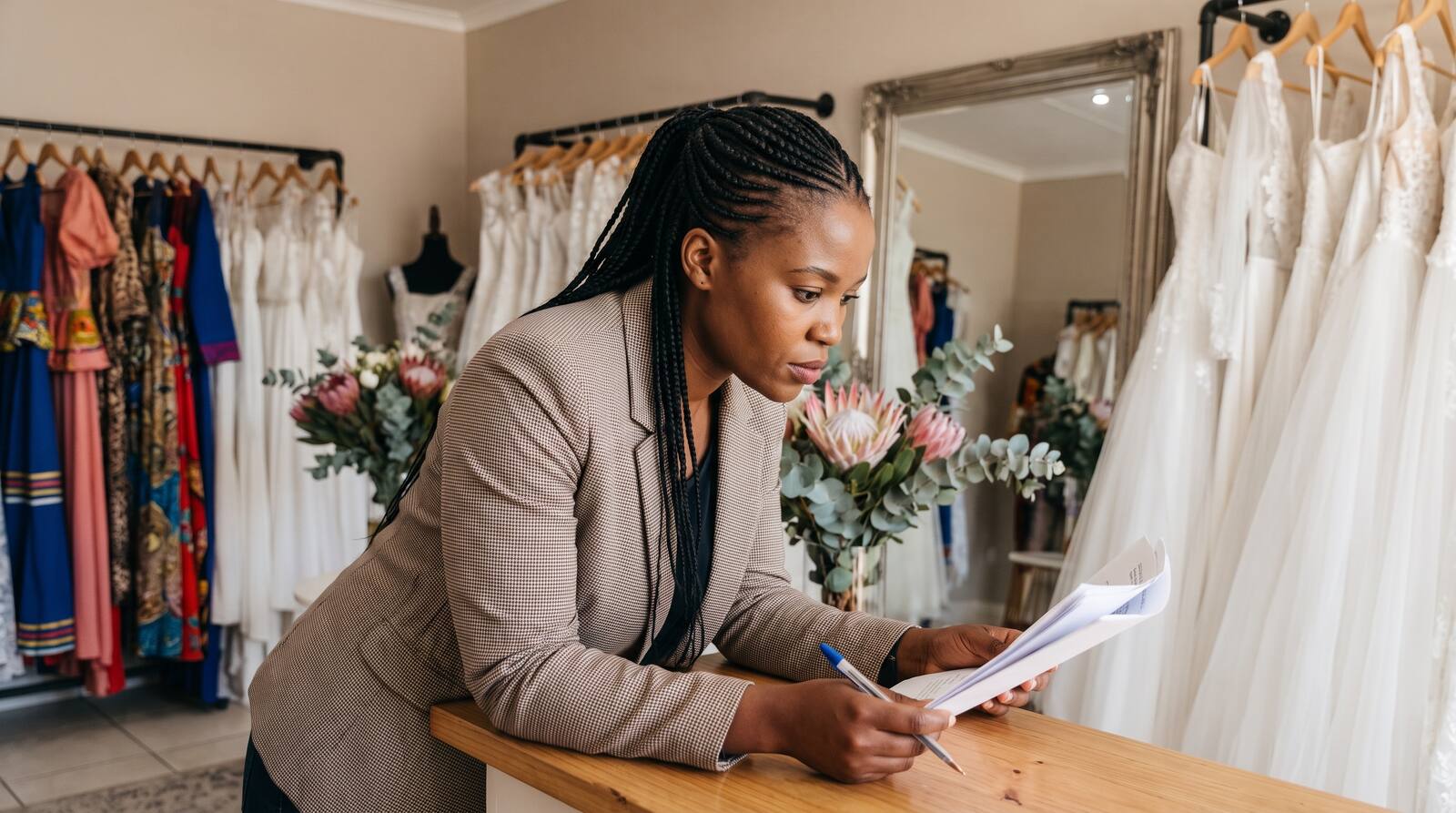
To get funding for a women's business in South Africa, you need a registered company, a compliant tax status, and a clear business plan. Government agencies like SEFA and the NYDA, along with specific programmes like the Isivande Women's Fund, provide money to women who own at least 51% of the business and can prove their venture is profitable.
Where to find funding for women in South Africa
South Africa has specific funds aimed at women entrepreneurs. The most common is the Isivande Women's Fund, which is managed by the Industrial Development Corporation and aims to help women in rural and semi-urban areas. The Small Enterprise Finance Agency, or SEFA, also offers loans specifically for women-owned businesses. If you are a young woman under the age of 35, the National Youth Development Agency, or NYDA, offers grant funding that you do not have to pay back. The Small Enterprise Development Agency, or SEDA, does not give money directly but will help you refine your business plan and connect you to funders.
Grants versus loans for women entrepreneurs
When you look for funding, you must understand the difference between a grant and a loan. A grant is money given to you that you do not pay back. The NYDA offers grants for young women, but they are usually small and meant for starting a business. A loan is money you borrow and must pay back with interest. SEFA and commercial banks offer loans. You must realise that funders prefer to give loans because they want to see that your business can generate enough profit to repay the debt. If you are asking for a loan, your financial plan must clearly show your repayment schedule.
What funders expect from you
Funders will not hand over money just because you have a good idea. You must prove that you are running a real organisation. They expect you to have a company registered with the Companies and Intellectual Property Commission, or CIPC. They want to see that you are compliant with the South African Revenue Service, or SARS. They also need proof that women own and control the business, which you show through a B-BBEE affidavit or certificate. Finally, they demand a complete business plan and a financial plan that shows how you will use the money and how you will pay it back.
The exact steps to apply for women's business funding
If you want to apply for funding, you must follow a specific order. Skipping steps will get your application rejected.
- Register your company with CIPC. Funders prefer a private company, or Pty Ltd, over a sole proprietorship because it shows you are serious and protects your personal assets.
- Get your SARS tax clearance. You need a tax number and a status pin that shows your tax affairs are in order.
- Get a B-BBEE affidavit. If your business is 51% or more owned by black women, you can get a sworn affidavit at any police station or commissioner of oaths. This acts as your B-BBEE certificate.
- Write your business plan. This document must explain your product, your market, your competitors, and your operations.
- Create your financial plan. You need a cash flow projection, an income statement, and a balance sheet for at least three years. Include a start-up cost sheet if you are a new business.
- Build a company profile. This is a short document that introduces your team, your history, and your vision to the funder.
- Submit your application. Take your complete pack to SEFA, the NYDA, or the fund of your choice.
Common mistakes that get applications rejected
Many women apply for funding and get rejected because of simple mistakes. The biggest mistake is applying without a registered company. Funders will not give business money to an individual, they give it to a registered entity. Another mistake is having unrealistic financial numbers. If you say you will make a million rand in your first month selling vetkoek in a township, the funder will not believe your plan. You must also make sure your business plan and your financial plan match. If your business plan says you need three ovens, your financial plan must show the cost of three ovens. You might need a business licence depending on your industry, so check your local municipal bylaws before you apply.
How KAGO helps you get funding-ready
You can do all this paperwork yourself, but it takes time and requires specific knowledge. KAGO builds these documents for you at fixed prices so you know exactly what you are paying. We can register your company with our Registration Basic for R995. We can write your Complete Business Plan for R3,495 and your Financial Plan for R1,895. If you want everything bundled together to approach funders, our Funding Pack costs R3,995. KAGO makes your business funding-ready, but we do not guarantee funding. The funder always makes the final decision based on their own risk assessments.
Preparing for the funder interview
Once you submit your documents, the funder might call you for an interview or a site visit. You must know your business plan inside out. If KAGO wrote the plan for you, read it several times so you can answer questions confidently. Be honest about your challenges. Funders respect entrepreneurs who know their risks and have a plan to manage them. Dress professionally and treat the interview like a formal business meeting.
Questions people also ask
Do I need to be 100% black woman-owned to get funding?
No, many funds require at least 51% women ownership, though specific B-BBEE level requirements vary by funder. You will need a sworn affidavit or certificate to prove your exact ownership percentage.
Can I get funding without a business plan?
Almost no government or private funder will approve a loan or grant without a business plan and financial projections. Funders need to see exactly how you will make money and pay them back.
Does KAGO guarantee I will get the funding?
No, KAGO prepares your documents, plans, and registrations so you meet the funder's requirements. The final decision to approve or reject your application always belongs to the funder.
Fixed prices, no hourly billing
Let KAGO build it for you.
Business plans, financial plans, company registration, logos and tender packs, at a menu price, in days. We make your business funding-ready. The funder always decides.