
What Does "Business Plan Ideas" Actually Mean?
When people search for business plan ideas, they usually want one of two things: a business idea worth planning, or a structure for writing the plan itself. This article gives you both. Below you will find real business ideas that work in South African townships and towns, followed by the sections every business plan must have, no matter what business you choose.
Business Ideas That Work in South Africa Right Now
The best business plan is one built around a real need in your area. Here are ideas that South African entrepreneurs are running successfully right now.
1. Township Food Business
Food sells in every township, every day. Think shisa nyama, kota stand, lunch containers for construction workers, or baked goods sold from home. You need a health certificate from your local municipality and a basic food handling plan. Start small, test your menu, and grow from there.
2. Cleaning Services
Offices, schools, and homes need cleaners. You can start with basic equipment and grow by hiring a small team. Many government departments and private companies outsource cleaning, which means there are tender opportunities if you are registered on the Central Supplier Database (CSD).
3. Transport and Logistics
Taxi route permits, scholar transport, or delivery services for local spaza shops are all viable. You need a roadworthy vehicle, operating licence from the relevant transport authority, and insurance. If you want to move into freight, consider a small bakkie doing local deliveries for hardware stores or building material suppliers.
4. Construction and Building Services
South Africa has a constant need for builders, plumbers, electricians, and painters. If you have a trade skill, register a company and apply for a CIDB grading. Many contractors sub-contract to smaller businesses, so you can start by partnering with an established builder.
5. Hair and Beauty Salon
Hair salons work well in townships and rural areas. You need a small space, basic equipment, and products to sell. Many salon owners grow by adding services like nails, facials, or selling hair products on the side.
6. Spaza Shop or Mini-Supermarket
Buying in bulk and selling to your community is a proven model. The key is location, stock management, and keeping prices competitive. You need a business licence from your municipality and a plan for managing cash flow.
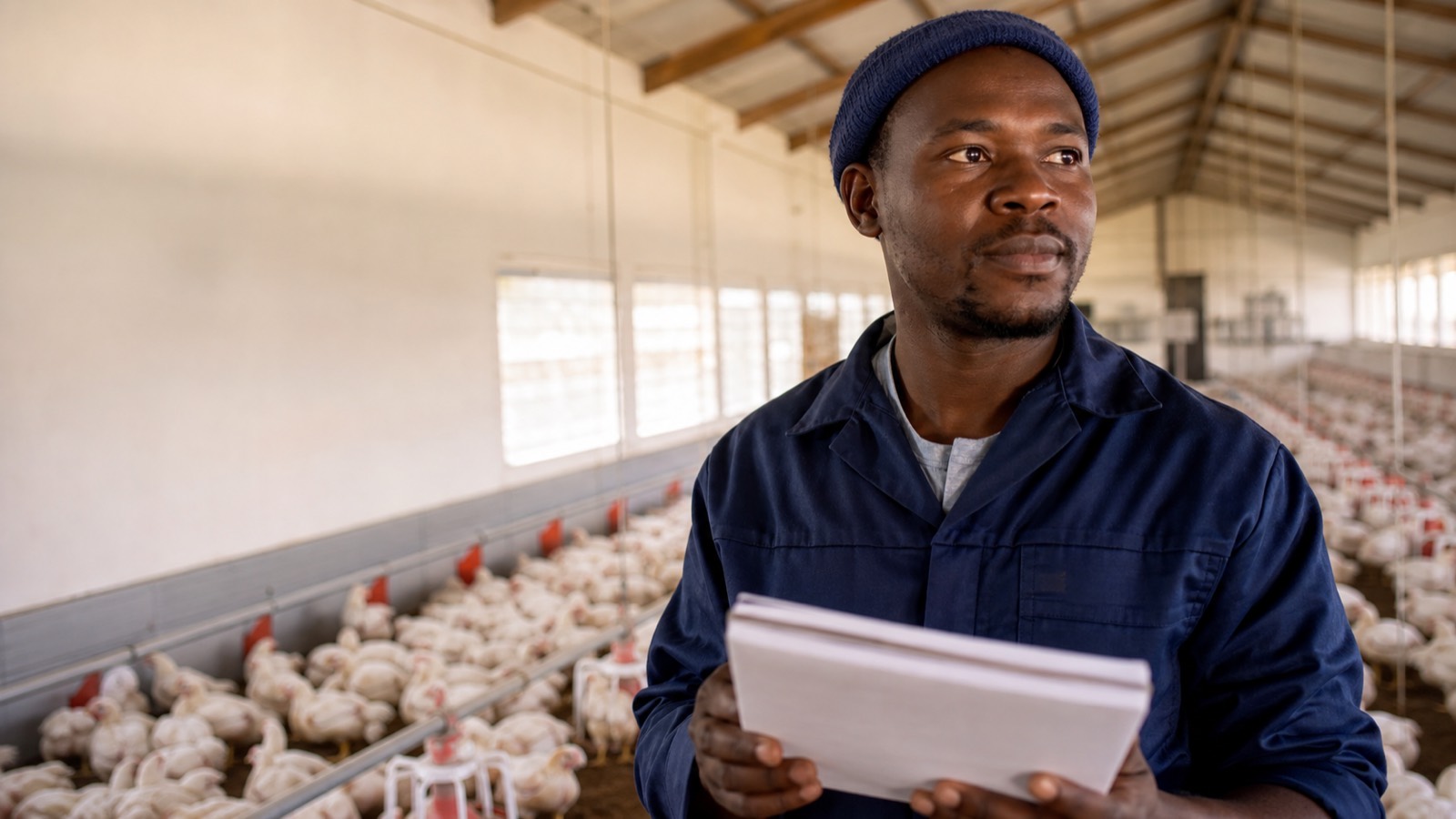
7. Poultry Farming
Chickens for meat or eggs are a popular starting point. You need a structure, feed, and a market to sell to. Start with a small batch, learn the process, and scale up. Many agricultural programmes through the Department of Agriculture or the NYDA offer support for first-time farmers.
8. Event Planning and Hire
Chairs, tables, tents, and decorations for funerals, weddings, and parties. You can start by hiring out equipment you already own and reinvesting the profit. This business grows through word of mouth in your community.
9. Car Wash
A car wash needs water access, a space, and basic cleaning supplies. Many car washes in townships operate informally, but registering your business and getting a municipal permit opens up opportunities to service corporate fleets.
10. Tutoring and Aftercare
Parents need safe places for children after school. If you have a teaching background or strong maths and English skills, you can start a small aftercare or tutoring centre. You need a safe space, basic materials, and a schedule that works for working parents.
How to Structure Your Business Plan
No matter which idea you choose, your business plan needs the same core sections. Here is the order to follow.
1. Executive Summary
This is a one-page summary of your whole plan. Write it last. It should explain what your business does, who your customers are, how much money you need to start, and how you will make a profit.
2. Business Description
Explain what your business does, where it will operate, and what makes it different from competitors. Include your business name, registration status (Pty Ltd, sole proprietor, or partnership), and your vision for the next three years.
3. Market Analysis
Describe your target customers. Where do they live? What do they earn? Why will they buy from you instead of someone else? Research your competitors and explain your advantage, whether it is price, location, service quality, or product range.
4. Products or Services
List exactly what you are selling. Include prices, costs, and how you deliver the product or service. If you sell food, list your menu and prices. If you offer cleaning services, list your packages.
5. Marketing Plan
Explain how customers will find out about you. This could be flyers, WhatsApp groups, Facebook, word of mouth, or local radio. Be specific about what you will do and what it will cost.
6. Operational Plan
Describe how the business runs day to day. Where will you operate? What equipment do you need? Who are your suppliers? What hours will you work? This section shows you have thought through the practical side.
7. Management and Staff
Explain who runs the business and what skills they bring. If you plan to hire staff, list the roles and what you will pay them. Funders want to see that the people behind the business can actually deliver.
8. Financial Plan
This is the section funders care about most. You need a startup cost list, a monthly income and expense forecast for the first year, and a cash flow projection. If numbers are not your strength, get help. KAGO offers a Financial Plan at R1,895, built specifically for South African small businesses.
What Funders Look For
If you want funding from SEFA, NYDA, or a commercial bank, your plan must answer three questions clearly.
- Is there a real market for this business?
- Can the entrepreneur actually run it?
- Will the business make enough money to repay the loan or generate a return?
Funders do not fund ideas. They fund plans with evidence. They want to see that you know your numbers, understand your customers, and have a realistic view of what it takes to succeed.
KAGO does not guarantee funding. No one can. What we do is make sure your plan and financials are structured the way funders expect to see them. Our Complete Business Plan costs R3,495 and includes the full written plan plus the financial plan.
Common Mistakes to Avoid
Copying Someone Else's Plan
Funders and investors can tell when a plan is not yours. Your plan must reflect your business, your numbers, and your market. A copied plan will fail because the numbers will not match your reality.
Vague Market Research
Saying "everyone is my customer" is not market research. Be specific. Name your target area, estimate how many potential customers live there, and explain why they will choose you.
Unrealistic Financial Projections
Do not project that you will make R100,000 profit in your first month if you have no track record. Funders see this all the time and it kills your application. Be conservative and honest.
No Proof of Commitment
If you are not willing to invest your own time or money, why should a funder invest theirs? Show that you have skin in the game, even if it is small.
Next Steps
- Pick one business idea from the list above that matches your skills and your community's needs.
- Do basic market research. Talk to 10 potential customers and ask if they would buy from you.
- Write down your startup costs and expected monthly income.
- Decide if you need to register a company with CIPC or if you will start as a sole proprietor.
- If you need a formal plan for funding or a tender, get professional help to structure it properly.
A good business plan is not about sounding clever. It is about showing that you understand your business, your market, and your numbers. Pick an idea, do the research, and start writing.
Questions people also ask
Do I need a business plan if I am starting small and not applying for funding?
You do not legally need one, but writing even a simple plan helps you avoid costly mistakes. It forces you to think through your costs, your customers, and your pricing before you spend money.
Can I use the same business plan for different funders?
You can use the same core plan, but each funder may have specific requirements or forms. Always check what SEFA, NYDA, or your bank asks for and adjust your plan to match their format.
How long should my business plan be?
A plan for a small business should be between 10 and 20 pages. Funders care more about accuracy and clarity than length. A plan that is too long with vague information will work against you.
Fixed prices, no hourly billing
Let KAGO build it for you.
Business plans, financial plans, company registration, logos and tender packs, at a menu price, in days. We make your business funding-ready. The funder always decides.