
The best small business ideas in South Africa are those that solve immediate, everyday problems in your community. Food sales, cleaning services, scholar transport, and beauty services remain the most profitable because people always need them, regardless of the economy. You do not need a massive loan to start, just a clear plan and the right registrations.
Food Sales and Catering
People will always eat. Starting a food business like selling a kota, braai meat, or packed lunches for construction workers requires very little start-up capital. You can cook from home and sell at a busy taxi rank, outside schools, or at construction sites. The key to winning here is consistency and hygiene. If your food is clean, tasty, and fairly priced, you will get repeat customers every day.
Start small by targeting a specific group. For example, you can make lunch packs for factory workers in your area. Take orders in the morning and deliver at lunchtime. This prevents food waste because you only cook what is already paid for. As your cash flow improves, you can rent a small stall or buy a larger gas stove to increase your output.
Cleaning Services
Many homes and businesses struggle to keep their spaces clean. You can start a cleaning service targeting residential homes, offices, or even post-construction sites. You need basic equipment like mops, brooms, and cleaning chemicals. You can start alone and hire people as your client base grows. To get clients, print simple flyers and drop them at local businesses or in neighbourhood WhatsApp groups.
Post-construction cleaning is particularly profitable. When builders finish a house or office, they leave dust and rubble behind. You can charge a fixed fee to clean the space before the owner moves in. You only need heavy-duty cleaning supplies and a hardworking team. Always ask for a deposit before starting a big job to buy the necessary chemicals.
Scholar Transport
If you have a reliable vehicle and a valid Professional Driving Permit (PrDP), scholar transport is highly lucrative. Parents in townships and suburbs need safe, reliable transport for their children to and from school. You need to be punctual and ensure the children are safe. Word of mouth is your best marketing tool here, as parents talk to each other.
To succeed, you must never be late. Parents will fire you quickly if their children miss assembly. Keep your vehicle clean and roadworthy. Do not overload the vehicle, as traffic officers target scholar transport vehicles for overloading. Treat the children well, and parents will recommend you to their friends and family.
Beauty and Grooming
The beauty industry never dies. You can start a hair salon, offer mobile nail services, or cut hair from a dedicated room at home. You need training, which you can get from local colleges or short courses, and basic equipment. Mobile services are great because you go to the client, saving you the cost of renting a space.
If you choose to open a salon, keep it extremely clean. People associate cleanliness with professionalism. Stock basic items like hair food, combs, and styling gel. You can also sell these products to your clients for a small profit. If you are a barber, invest in good clippers and keep your blades sharp and sanitised.
Waste Removal and Recycling
Many municipalities struggle with waste collection. You can start a business collecting household refuse, garden waste, or building rubble using a bakkie or a trailer. You charge a monthly fee for regular collection. Alternatively, you can collect recyclable materials like cardboard, plastic, and metal, and sell them to recycling centres.
For household waste, target areas where the municipal truck does not come regularly. Give your clients strong plastic bags and collect on a set day every week. For recycling, you can set up collection points at local schools or shopping centres. You sort the waste at your yard and sell it by weight to a recycling plant.
Backyard Farming
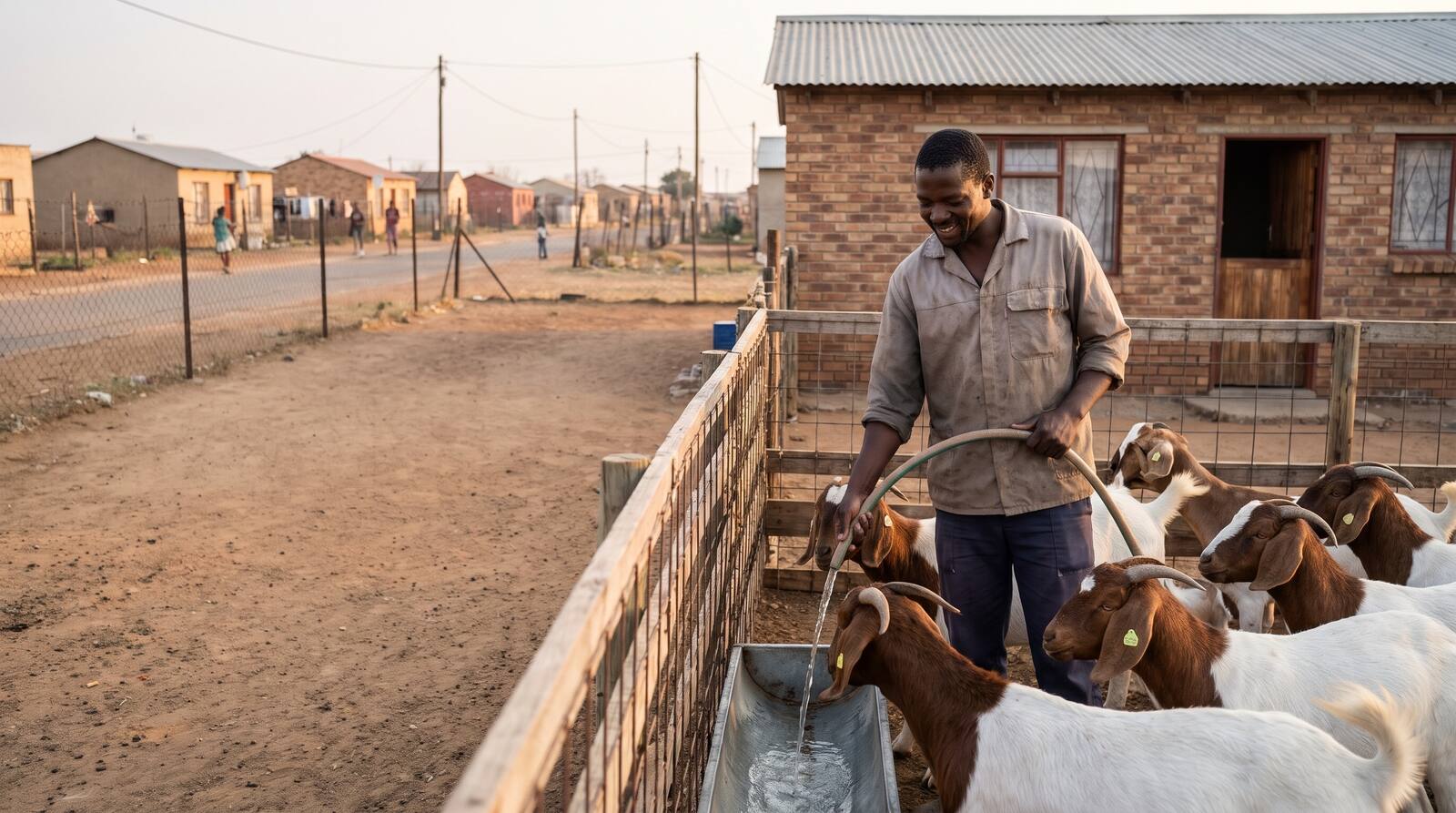
You do not need a large farm to grow food. You can start a backyard garden growing spinach, tomatoes, onions, and herbs. You can sell these to your neighbours, local spaza shops, or street vendors. People prefer fresh, locally grown produce. You can start with seeds and compost from your own kitchen waste. It takes time and daily watering, but the ongoing costs are very low.
Start with fast-growing crops like spinach and spring onions. They are ready to harvest in a few weeks. This gives you quick cash flow. You can use old tyres or wooden crates if you do not have enough ground space. Water the plants early in the morning or late in the evening to save water.
How to Register Your Business
Once you choose your idea, you must make it legal. Do not operate as an individual if you want to grow or apply for funding. Here is the basic sequence to register your business:
- Choose a unique name for your business.
- Register a private company with the Companies and Intellectual Property Commission (CIPC). You will get a registration certificate.
- Register with the South African Revenue Service (SARS) for income tax. This is free and compulsory.
- Open a business bank account using your CIPC documents. Keep your personal and business money separate.
If you want help with this, KAGO offers a Registration Basic service for R995 to handle the CIPC process for you. This saves you the hassle of navigating the online portals yourself.
Getting Ready for Funding
You might start with your own savings, but eventually you may need funding from the National Youth Development Agency (NYDA), Small Enterprise Finance Agency (SEFA), or a bank. No funder will give you money just because you have a good idea. You need a business plan and financial projections.
KAGO can build a Complete Business Plan for R3,495 and a Financial Plan for R1,895. These documents show funders exactly how your business will make money and how you will pay them back. Remember, KAGO makes your business funding-ready, but the funder always makes the final decision. We cannot guarantee you will get the money.
Keep Your Costs Low
When you start, do not buy expensive equipment you do not need yet. Use what you have. If you are selling food, use the pots you have at home. If you are cleaning, buy chemicals in bulk to save money. Reinvest your first profits back into the business to buy better equipment or stock. This is how you grow without drowning in debt.
Questions people also ask
Do I need a business plan to start a small business in South Africa?
You do not need a business plan to start trading, but you need one if you want to apply for funding from banks, SEFA, or the NYDA. A business plan forces you to think about your prices, costs, and target market.
Can I start a business without registering with CIPC?
Yes, you can start as a sole proprietor using your own name, but you will struggle to open a business bank account or apply for tenders. Registering a private company protects your personal assets and makes you look professional.
How much money do I need to start a small business?
The amount depends on the business, but many township businesses can start with the money you already have. You can start selling food or cleaning houses with under a thousand rand if you buy only the basic supplies you need for your first few clients.
Fixed prices, no hourly billing
Let KAGO build it for you.
Business plans, financial plans, company registration, logos and tender packs, at a menu price, in days. We make your business funding-ready. The funder always decides.